
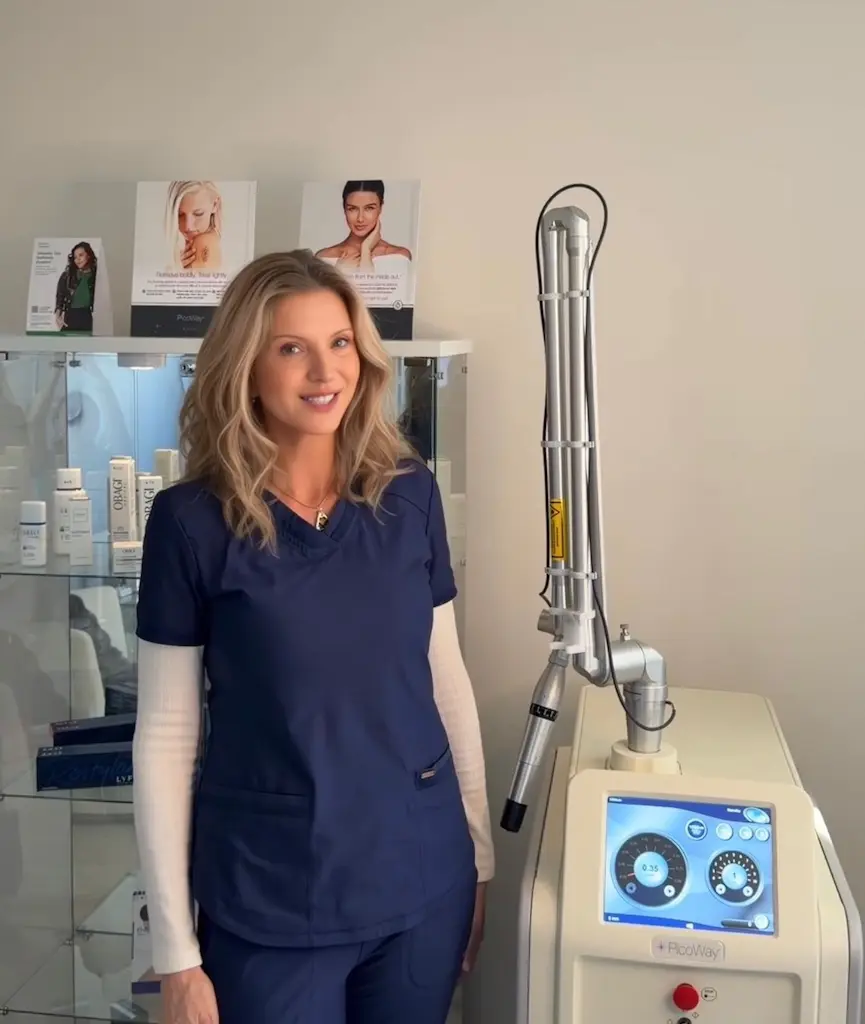
PicoWay Laser in St Petersburg: A Precise Approach to Sun Spots, Melasma, and Uneven Tone
If you live in St Petersburg, you already know the tradeoff. The same sun that fills our afternoons with light on the water is quietly writing itself onto your skin, one exposure at a time. Sun spots, patches of melasma, faint acne scarring, a tone that no longer looks quite even in the mirror. At Belladri, we see this pattern often in the skin of people who genuinely love living here, and we understand why so many are ready to finally address pigment they assumed was permanent. PicoWay laser technology gives us a way to target that discoloration with a level of precision that older laser systems simply couldn’t offer.
This post walks through how PicoWay works, what it can realistically address, and why pigment correction, especially melasma, deserves a careful and experienced hand rather than a one-size-fits-all approach.
Why Florida Skin Develops Stubborn Pigment
Pigment concerns don’t appear overnight. They build slowly, the result of years of cumulative ultraviolet exposure interacting with melanin-producing cells in the skin. In a climate like ours, where sunshine is a near-constant companion rather than a seasonal visitor, that cumulative exposure adds up faster than it might elsewhere. Sun spots, sometimes called solar lentigines, tend to show up on the face, chest, shoulders, and hands, the areas that spend the most time uncovered.
Melasma is a different animal altogether, and it’s worth understanding the distinction. While sun spots are primarily UV-driven, melasma involves a more complex interplay of hormonal influence, heat, and light sensitivity. It often appears as symmetrical, blotchy patches across the cheeks, forehead, or upper lip, and it has a well-earned reputation for being stubborn. Add in years of gradual sun exposure and the occasional bout of acne, and many people end up with a layered picture: some pigment from the sun, some from inflammation, and an overall unevenness in tone and texture that no single product seems to touch.
This is exactly the kind of layered concern where a precise, medically guided laser treatment can make a meaningful difference, provided the approach is tailored to what’s actually happening in the skin rather than treating all discoloration as identical.
How PicoWay Targets Pigment With Precision
PicoWay uses ultra-short pulse durations, measured in picoseconds, to deliver energy to the skin in bursts so rapid that they shatter pigment particles into much smaller fragments without generating the excess heat associated with older, slower laser technologies. That distinction matters. Heat is what tends to cause unwanted side effects in pigmented or sun-exposed skin, so a technology that relies on mechanical energy rather than thermal energy allows for a more controlled, more comfortable treatment experience.
Once those pigment particles are fragmented, the body’s own lymphatic system gradually clears them away. This is why PicoWay is often described as working with the skin’s natural processes rather than against them. The laser does the work of breaking down the discoloration; your body finishes the job over the following weeks. Because the technology can be adjusted for depth and intensity, it’s able to reach sun spots sitting closer to the surface as well as deeper pigment irregularities, all while supporting the skin’s overall clarity and texture.
Beyond pigment correction, PicoWay’s energy delivery also stimulates a mild collagen response in the surrounding tissue. This means that alongside addressing discoloration, many people notice their skin looking generally more refined, a secondary benefit that speaks to why this technology has become a cornerstone option for anyone dealing with sun damage, acne scarring, or an uneven overall tone rather than a single isolated spot.
Conditions PicoWay is commonly used to address include:
- Sun spots and age-related pigmentation from cumulative UV exposure
- Melasma, when approached with appropriately conservative settings
- Post-acne discoloration and certain types of acne scarring
- General unevenness in skin tone and texture
- Areas of hyperpigmentation from previous skin trauma or inflammation
Melasma Requires a Different Kind of Care
We want to be direct about something that isn’t always addressed honestly in aesthetic marketing: melasma is a chronic condition. It doesn’t behave like a sun spot that responds, fades, and stays gone. Melasma can be influenced by hormones, heat, sun exposure, and even certain medications, which means it can return even after a course of treatment that produced real improvement. Anyone considering laser treatment for melasma should go in understanding that the goal is management and meaningful improvement, not a permanent, one-time fix.
This is precisely where experience becomes non-negotiable. Melasma treated with the wrong settings, or by a provider without a clear understanding of its unpredictable nature, can worsen rather than improve. The condition is notoriously sensitive to inflammation, and an overly aggressive laser approach can trigger a flare instead of calming one. A conservative, carefully staged treatment plan, often built around lower energy settings and a longer timeline, tends to serve melasma far better than a rushed or generic protocol.
This is also why an initial consultation matters so much before any device ever touches the skin. Melasma needs to be distinguished from other forms of pigmentation, and a treatment plan needs to account for your skin’s specific behavior, your history with the condition, and how it has responded to prior treatments, if any. Skipping that assessment in favor of jumping straight to a laser is where outcomes tend to go sideways.
The Belladri Approach to Pigment Correction
At Belladri, pigment correction starts with a real assessment, not a standardized package. Adrianna Leszczynska, MBA, APRN, FNP, brings a board-certified nurse practitioner’s clinical background to every skin evaluation, which means the conversation about your pigment begins with understanding what’s actually causing it before any device settings are chosen. Sun damage, melasma, and post-inflammatory discoloration can look similar on the surface but respond very differently to laser energy, and that distinction shapes the entire plan.
We use advanced PicoWay laser technology, which allows for the kind of nuanced, adjustable treatment that pigment concerns, especially melasma, genuinely require. A visit typically begins with a discussion of your skin history, your sun exposure patterns, and any previous treatments you’ve tried, followed by a clear explanation of what PicoWay can reasonably be expected to do for your specific presentation. We believe that honesty about timelines and realistic outcomes builds more trust than overpromising ever could.
Our broader philosophy, to enhance, restore, and empower, guides how we approach every pigment consultation in our St Petersburg practice. That means we’re not simply running a laser over problem areas and sending you on your way. We’re thinking about your skin as a whole system, considering how PicoWay might work alongside your existing skincare routine, your sun protection habits, and, where appropriate, other treatments in our regenerative aesthetics offerings to support long-term skin quality rather than a short-term surface fix.
What to Expect From a PicoWay Treatment Plan
Most pigment concerns, particularly melasma, respond best to a series of treatments rather than a single session. The exact cadence depends on the type and depth of pigment being addressed, your skin’s overall sensitivity, and how it responds along the way. Sun spots often show more straightforward improvement over a shorter series, while melasma tends to require a more patient, incremental approach with careful monitoring between sessions.
Downtime with PicoWay is generally minimal compared to older ablative laser technologies, though some redness or mild sensitivity in the treated area is common in the days following a session. Sun protection becomes especially important during this window, since freshly treated skin is more vulnerable to new UV-triggered pigmentation, which would work directly against the progress being made. This is a detail we walk through carefully during your consultation, because the treatment itself is only part of the equation. What you do in the weeks after matters just as much.
Ready to Address Pigment You Thought You’d Have to Live With
You don’t have to accept sun spots, melasma, or uneven tone as a permanent part of your reflection. At Belladri, we combine the precision of PicoWay laser technology with the clinical judgment of an experienced provider to build a pigment correction plan suited to your skin, not a generic protocol borrowed from someone else’s. If you’re in St Petersburg and ready to have an honest conversation about what’s realistic for your skin, we invite you to learn about PicoWay and take the next step toward clearer, more even tone. You can also call us directly at (727) 266-1500 to schedule a consultation.
Frequently Asked Questions
Can PicoWay laser actually treat melasma, or does it make it worse?
PicoWay can be used to treat melasma, but it requires conservative settings and an experienced hand, since aggressive treatment can trigger flares in melasma-prone skin. Melasma is a chronic condition, so the realistic goal is meaningful improvement and management over time rather than a single permanent resolution.
How many PicoWay sessions are needed to see improvement in sun spots?
The number of sessions depends on the depth and density of the pigment as well as how your skin responds to treatment. Sun spots often show visible improvement over a series of sessions, though your provider will outline a more specific plan after evaluating your skin directly.
Where in St Petersburg can I get a pigment assessment for sun spots or melasma?
Belladri, located in St Petersburg, offers pigment assessments using PicoWay Resolve laser technology under the guidance of a board-certified nurse practitioner. A consultation is the best way to determine which type of pigment you’re dealing with and whether PicoWay is an appropriate option.
Is there downtime after a PicoWay treatment?
Downtime is generally minimal compared to older laser technologies, though mild redness or sensitivity in the treated area is common for a few days afterward. Diligent sun protection following treatment is important to protect results and prevent new pigmentation from forming.
Does PicoWay help with acne scarring in addition to pigment?
Yes, PicoWay is commonly used to address post-acne discoloration and certain types of acne scarring alongside sun spots and general unevenness in tone. Its energy delivery also supports a mild collagen response, which can contribute to improved skin texture over time.